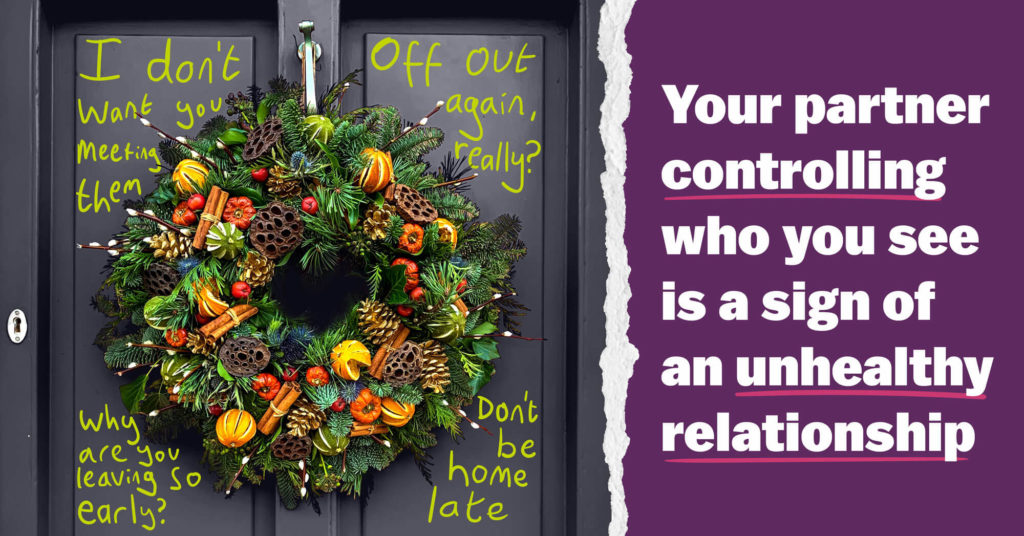
The festive season is a time many of us look forward to – filled with celebrations, family gatherings, and moments of joy. However, for people experiencing domestic abuse, Christmas can be a stressful and frightening time.
The pressures of the holidays – financial strain, increased alcohol consumption, family tensions, and the desire to make everything perfect – can all increase the risk of domestic abuse.
We want everyone to know that help is available, and that friends, family, neighbours, and colleagues can make a real difference by staying alert and offering support.
Why domestic abuse can increase at Christmas
Domestic abuse does not take a holiday. In fact, the festive period can intensify controlling, coercive, or violent behaviour. Factors that contribute include:
- Spending more time together – More time at home with partners or family members can increase opportunities for conflict or abuse.
- Financial pressures – Gift-giving, parties, and seasonal spending can add stress and tension.
- Alcohol and substance use – Increased drinking during celebrations can escalate aggression or abusive behaviour.
- Family dynamics – Visiting relatives or hosting guests can create stressful situations that trigger controlling or abusive patterns.
Recognising the signs
Domestic abuse can happen to anyone, regardless of age, gender, or background. It is defined as any incident or pattern of incidents of controlling, coercive or threatening behaviour, violence or abuse between those aged 16 or over who are or have been intimate partners or family members.
Warning signs may include:
- Withdrawal from friends, family, or social activities
- Anxiety, fear, or hyper-vigilance around a partner or family member
- Unexplained injuries or constant excuses for harm
- Restrictions on finances, personal freedom, or social contact
- Sudden changes in behaviour or personality
How you can help
Friends, family, and colleagues can play a vital role in supporting someone experiencing abuse. Simple acts of kindness and vigilance can make a big difference:
- Reach out – Regularly check in with loved ones, even with a quick call or message.
- Listen without judgment – Believing and validating someone’s experience is crucial.
- Offer practical support – Help them create a safety plan, connect with services, or find emergency accommodation if needed.
- Encourage professional help – Direct them to confidential support services for guidance and protection.
Support Available in Somerset
Somerset Domestic Abuse Support provides confidential, non-judgemental help for anyone affected by domestic abuse. Services include advice, advocacy, safety planning, and referrals to specialist support, including housing and legal guidance.
Employers can play a role too
Somerset Council has also launched an employers’ toolkit to help workplaces support employees experiencing domestic abuse. Employers can make a significant difference by providing guidance, understanding, and safe spaces for disclosure.
Final thoughts
The festive season should be a time of warmth, comfort, and connection. By staying alert, checking in on loved ones, and promoting awareness, we can help ensure fewer people suffer in silence this Christmas. Your support could be the difference between safety and harm.
Domestic abuse doesn’t take a break for the holidays — but neither does help. Reach out, watch out for each other, and make this season safer for everyone.
Help is available, all year round
Somerset Council’s domestic abuse service operates year-round to provide advice, support, and resources for those affected by domestic abuse. Support is available for those experiencing domestic abuse.
For those who are concerned about their own behaviour please visit our Information for those causing harm page.
Help is available every day. If you or someone you know is experiencing domestic abuse, contact Somerset Domestic Abuse Service:
- Call: 0800 69 49 999 (8am–8pm, 7 days a week including Christmas day, Boxing Day and bank holidays)
If you are in immediate danger, call 999. If you cannot speak, press 55 when prompted – this will connect you to the police through the Silent Solution system.
For those who are D/deaf, hard of hearing, or speech-impaired, register with emergencySMS.net to text 999 in an emergency. If you use British Sign Language (BSL), you can contact 999 BSL for BSL support.